 Business License

Understand Shredders, Unlock New Environmental Insights
The Misunderstood Shredder: More Than Just Shredding Paper, It Hides Big Secrets of Environmental Protection and Efficiency
When it comes to shredders, most people will immediately think of "office paper shredders" — used to destroy confidential documents and quietly turn paper into strips. But in fact, the small paper shredders in offices are just the "miniature" members of the shredder family. In places we don’t see, there are various shredders of different sizes and functions, silently handling all kinds of waste in life and industry, and supporting half of the resource recycling. Today, let’s reintroduce the shredder and unlock its little-known side.
Myth Clarification: Shredder ≠ Paper Shredder ≠ Crusher
Many people’s understanding of shredders is limited to "shredding paper" or "crushing stones", and even confuse them with crushers. In fact, these are three completely different devices. The core difference lies in the "processing object" and "processing effect", which can be distinguished in one sentence:
Paper shredders focus on "small size, fineness and confidentiality", only processing paper and a small amount of plastic sheets, with output in thin strips or powder, and the core function is destruction; crushers focus on "hard, brittle and coarse crushing", such as stones and concrete, with output in blocks, and the core function is diameter reduction; while shredders focus on "universality, toughness and volume reduction". No matter whether it is soft, hard, large or small, as long as it is solid waste, most of them can be processed, with output in flakes or granules, and the core function is "facilitating subsequent recycling and reuse".
For a simple example: the obsolete sofa at home (fabric + wood + metal) cannot be processed by a crusher, and a paper shredder is even impossible to start with. But a shredder can easily tear and decompose it into small pieces, and then classify and recycle the fabric, wood and metal to realize resource reuse — this is the core value of the shredder: it does not pick materials, focusing on "reducing large things into small ones and turning waste into treasure".
Disassembling the Shredder: Why Can It "Chew" All Kinds of Hard Bones?
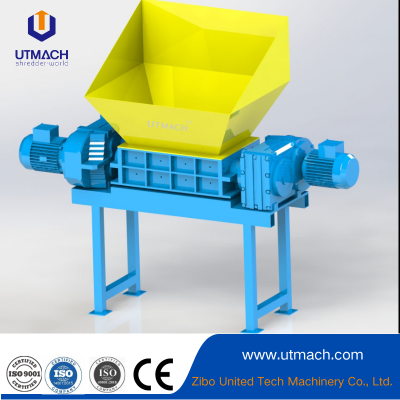
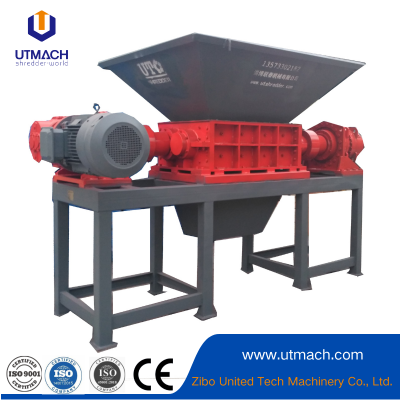
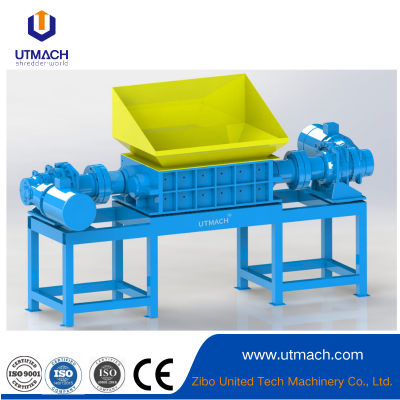
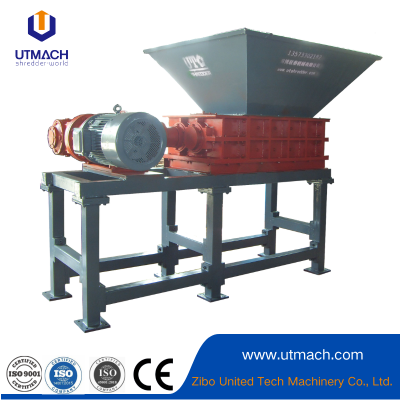
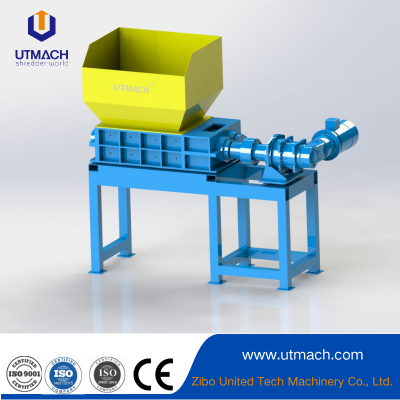
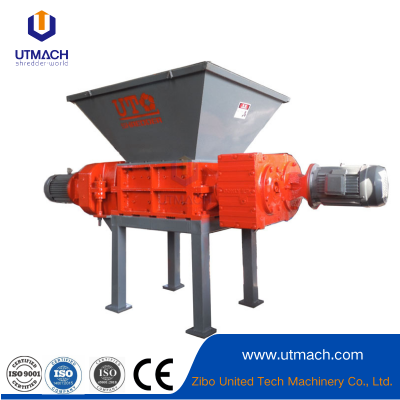
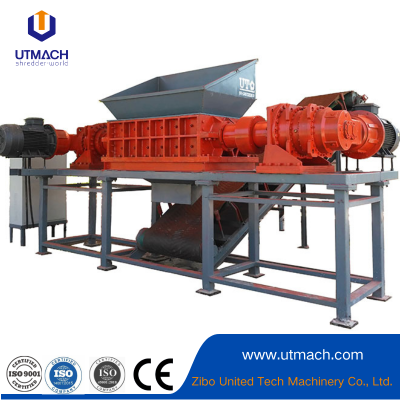
Whether it is a small household shredder or an industrial-grade large-scale equipment, the core structure is inseparable from "power + cutter + cavity", but the specifications and materials are different. Taking the most common dual-shaft shredder as an example, we disassemble its "core components" to understand its working logic:
1. Core Components: Each Is Indispensable
- Cutter Assembly: This is the "core weapon" of the shredder, composed of moving knives and fixed knives. Most of the blades are made of high-strength alloy steel, which is wear-resistant and impact-resistant after quenching treatment, and can easily cut even waste metal and thick plastic. Different materials correspond to different shapes of blades — toothed knives are used for processing plastic, which have stronger tearing force; flat-blade knives are used for processing metal, which have smoother cutting; spiral knives are used for processing flexible materials (such as fabric) to prevent winding.
- Power System: Equivalent to the "engine" of the shredder, it is mainly divided into electric and hydraulic types. Household and small commercial use (such as convenience stores and community recycling points) mostly use electric drive, which has low energy consumption and low noise; industrial-grade equipment (such as waste car dismantling and large-scale waste treatment plants) mostly uses hydraulic drive, which has large torque and sufficient power, can easily handle large and hard materials, and avoid equipment damage due to overload.
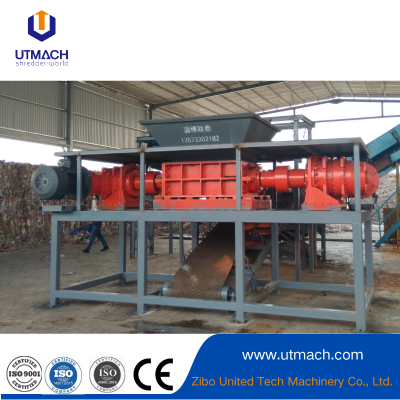
- Shredding Cavity: The "crushing space" for materials. The cavity is made of thick steel plate by welding, which is strong and durable, and can bear the impact force when materials are crushed. A pusher device is also equipped in the cavity to ensure that materials can evenly approach the cutter, avoid jamming and idling, and improve crushing efficiency.
- Control System: Small equipment is mostly controlled by simple buttons (start, stop, reverse rotation), while industrial-grade equipment is equipped with an intelligent control system, which can adjust the speed, control the output particle size, and realize fault alarm and automatic shutdown, making operation safer and more efficient.
2. Working Logic: Simple 3 Steps to Reduce Large Things into Small Ones
The working principle of the shredder is actually very simple, without complex processes. It is essentially a combination of "shearing + tearing". It can complete material crushing in three steps, even for large garbage:
1. Feeding: Put the materials into the shredding cavity, and the pusher device will slowly push the materials to the cutter to avoid slipping and failure to contact the cutter; if it is large materials (such as obsolete refrigerators and washing machines), they will be transported to the cavity through a conveyor belt, without manual handling, which is more labor-saving.
2. Crushing: The power system drives the moving knife to rotate, and the moving knife cooperates with the fixed knife to shear and tear the materials — the two knife shafts of the dual-shaft shredder rotate in opposite directions, generating strong shearing force to "bite" the materials; if encountering difficult-to-crush materials, the equipment will automatically reverse and tear repeatedly until the materials are decomposed into the required size.
3. Discharging: The crushed materials will be discharged through the discharge port at the bottom of the cavity. Some equipment is equipped with a screen, and only materials that meet the preset particle size can be discharged. Materials that do not meet the standard will remain in the cavity for further crushing to ensure uniform discharge and meet the subsequent recycling needs.
A Comprehensive Inventory of the Shredder Family: Different Models Have Their Own Exclusive Tracks
The shredder family is very large. According to the different use scenarios and processing materials, it can be divided into various models. Each model has its own "specialty". We focus on several that are most closely related to life and environmental protection:
1. Household/Small Commercial Shredders
Small in size, light in weight and small in floor area, they are suitable for families, convenience stores and small offices. They mainly handle daily waste, such as plastic bottles, cans, waste paper, small express boxes and obsolete stationery. This kind of shredder is easy to operate, low in noise and energy consumption, and can realize "on-site volume reduction" to reduce garbage accumulation. For example, a trash can full of plastic bottles can be reduced to 1/5 of its original volume after being processed by a shredder.
2. Industrial-Grade Shredders
This is the "main force" of the shredder family, with large volume and strong power. It is mainly used in large-scale environmental protection factories, waste recycling factories and industrial enterprises to process all kinds of large-scale and batch waste. According to the different processing materials, it can be further subdivided:
- Plastic Shredders: Specifically designed to process all kinds of waste plastic, such as plastic pipes, plastic films, waste plastic barrels, plastic toys and plastic scraps. The crushed plastic sheets can be re-melted and granulated for the production of new plastic products, realizing plastic recycling.
- Metal Shredders: Designed for waste metal, they can process waste steel, waste iron, cans, metal furniture, car shells and obsolete steel bars. The crushed metal blocks have higher density, which is convenient for transportation and smelting, reduces transportation costs and improves smelting efficiency.
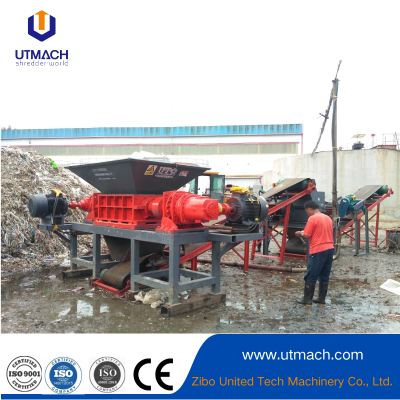
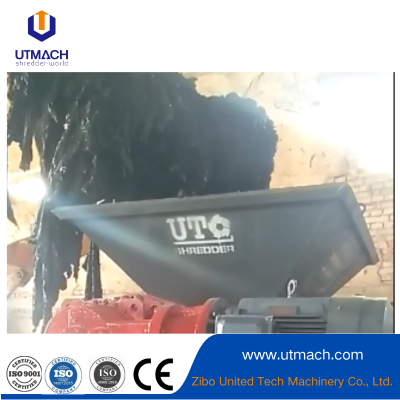
- Tire Shredders: Specifically designed to process waste tires, they can tear tires into rubber blocks and rubber particles, and separate the steel wires inside the tires. The rubber blocks can be used for road paving and rubber product recycling, and the steel wires can be recycled and smelted, solving the problem that waste tires are difficult to handle and pollute the environment.
- Large-Scale Garbage Shredders: Process large-scale waste such as obsolete furniture, obsolete household appliances, obsolete bicycles and construction waste. After decomposing them into small pieces, they are classified and recycled or harmlessly treated, avoiding large-scale garbage occupying a lot of land and polluting the environment.
3. Special Shredders
Designed for special scenarios, such as medical waste shredders (sterile design to process waste medical supplies and avoid bacterial transmission), hazardous waste shredders (leak-proof design to process toxic and harmful waste and ensure safe handling), and electronic waste shredders (precision crushing to separate metals and plastics in electronic waste and realize resource recycling).
Shredders in Life: Not Far from Us, but Very Useful
Many people think that shredders are far away from them, but in fact, they have long been integrated into our daily life, but we rarely notice them. These common scenarios all have shredders:
- Community Waste Recycling Points: Most of the waste paper boxes, plastic bottles and cans we sell will first be processed by small shredders to reduce volume before being transported to large-scale recycling factories, reducing losses and costs during transportation.
- Express Stations: A large number of express packages (paper boxes and plastic packages) generated every day can be recycled and reused after being processed by shredders, reducing the generation of packaging waste and contributing to environmental protection.
- Plastic Processing Factories: The plastic scraps generated during production will not be wasted. After being processed by shredders, they are re-used as raw materials for production, reducing production costs and resource waste.
- Waste Recycling Stations: Whether it is waste metal, waste tires or large-scale garbage, they need to be crushed by shredders before subsequent classification, recycling and reuse, improving recycling efficiency.
Practical Reminder: These Safety Points Must Be Remembered When Using a Shredder
Whether it is a small household shredder or an industrial-grade equipment, safety must be paid attention to when using it. Especially industrial-grade shredders, which have strong power when running. Once operated improperly, it is easy to cause danger. These safety points must be kept in mind:
1. It is strictly forbidden to put hands, fingers, arms or other parts of the body into the shredding cavity. Even if the equipment is shut down, do not reach out to clean it to avoid sudden rotation of the cutter causing injury; if cleaning is needed, the power must be cut off first, and after the cutter stops rotating completely, clean it with special tools.
2. It is strictly forbidden to put flammable, explosive, toxic, harmful, sharp and sharp materials (such as gasoline, firecrackers, glass fragments, blades, etc.) to avoid fire, explosion, equipment damage or danger.
3. Feeding should be uniform, avoiding putting too many materials at one time, which may cause equipment jamming and overload; if jamming occurs, stop the machine and cut off the power immediately before cleaning, and it is strictly forbidden to clean while the machine is running.
4. Before operation, check whether the protective devices (protective cover, protective door) and emergency stop button of the equipment are intact, and whether the power line is normal. Start the operation only after confirmation.
5. The operation of industrial-grade shredders must be carried out by professional personnel. Operators should wear protective equipment (protective glasses, gloves, earplugs, etc.) to avoid debris splashing and noise damage.
In Conclusion: The Shredder Is an "Invisible Guard" of Environmental Protection
In the past, we always thought that "garbage is just garbage", which can only be landfilled or incinerated, which not only pollutes the environment but also wastes resources. The emergence of shredders has changed this situation — it can decompose and transform seemingly useless waste into recyclable resources, turning "garbage" into "treasure", which not only reduces environmental pollution but also saves natural resources, making it an indispensable "invisible guard" in the circular economy.
With the continuous upgrading of environmental protection technology, shredders are also constantly progressing, becoming more intelligent, energy-saving and environmentally friendly. In the future, it will appear in more scenarios and enter more people’s lives, helping us achieve the goal of "lucid waters and lush mountains are invaluable assets".
After reading this popular science, do you have a new understanding of shredders? In fact, many seemingly insignificant equipment around us hide great energy and guard our green home. What other knowledge points about shredders do you want to know? Welcome to leave a message in the comment area to discuss~
Recently Posted
-
Efficient Baling Solution: Double-Chamber Vertical Baler
March 26, 2026What Are the Advantages of Double-Chamber Vertical Balers? A Full BreakdownIn waste paper recycling, plastic processing, textile s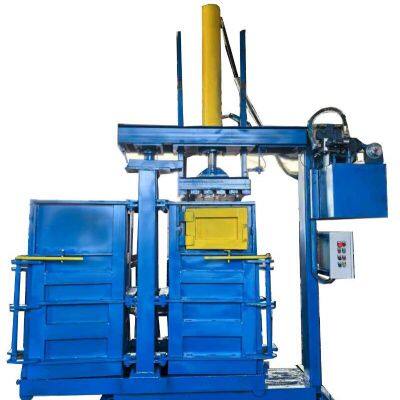 Read More
 -
Solid Waste & Shredders: A Green Partnership Made for Each Other
March 18, 2026Solid Waste and Shredders: A Perfect Partnership for a Greener FutureWhen we think of solid waste, the first images that come to m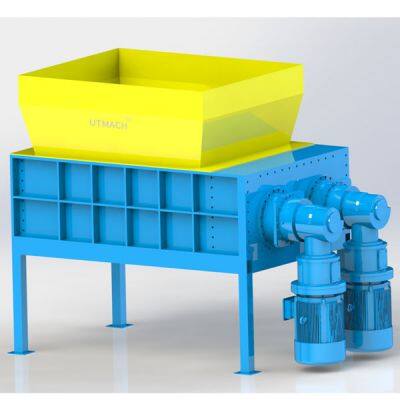 Read More
 -
Dual-Shaft Shredder: Knife Shaft Advantages
March 12, 2026Core Advantage Analysis of Dual-Shaft Shredders: Knife Shaft – The Dual Pillar of High Power and Stable PerformanceIn the fields o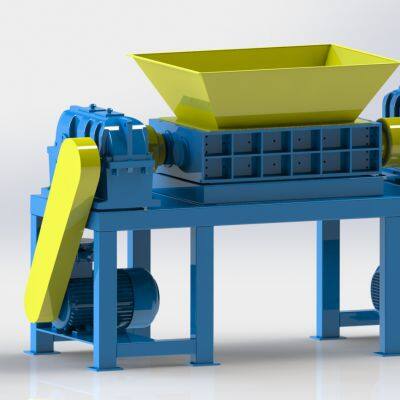 Read More
 -
Shredder Operation Guide (For Beginners)
March 4, 2026A Complete Guide to Safe and Efficient Shredder Operation | Must-Read for BeginnersIn scenarios such as industrial waste disposal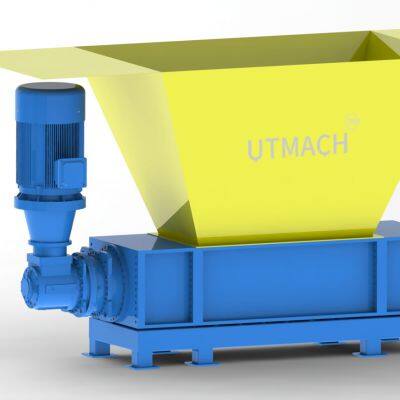 Read More

Contact Us
Recommended Products
-
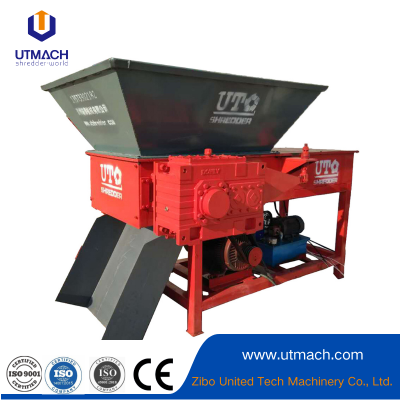
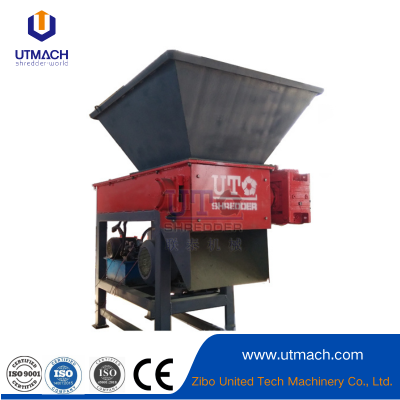
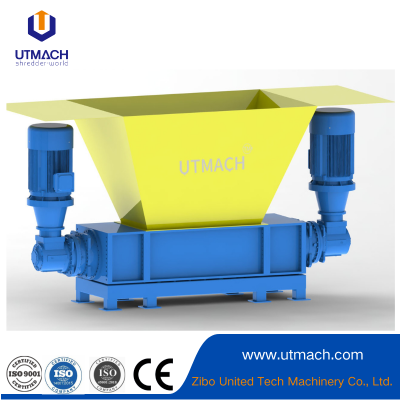
 1 Rotor Shredding Machine SupplierUS$ 50000 - 80000MOQ: 1 Set
 -
One Shaft Shredding MachinesUS$ 50000 - 80000MOQ: 1 Set
-
One Shaft Shredding Machines for Waste Material Size Reduction Recycling MachineUS$ 10000 - 30000MOQ: 1 Set
-
Single Shaft Shredding Machine Recycling MachineUS$ 8000 - 10000MOQ: 1 Set
-
Single Shaft Shredder One Rotor Shredding MachineUS$ 40000 - 60000MOQ: 1 Piece
-
P32130K P Series Wood Pallet ShredderNegotiableMOQ: 1 Set
-
P32130K P Series Wood Pallet Shredder With Conveyor Magnetic SeparatorNegotiableMOQ: 1 Set
-
P32130 P Series Wood Pallet Shredder Pallet Crusher MachineNegotiableMOQ: 1 Set
-
Popular P32130K P Series Wood Pallet Shredder UTMACHNegotiableMOQ: 1 Set
-
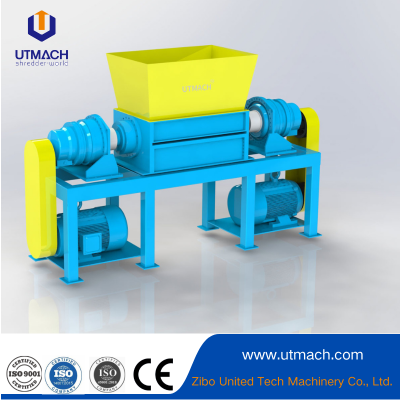
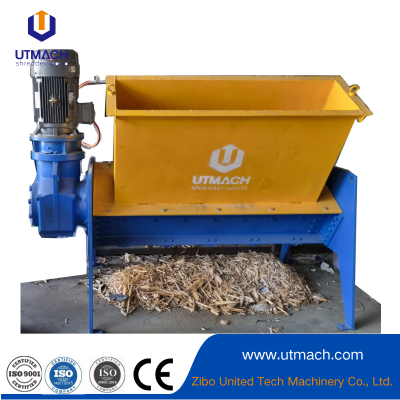
Double Shaft Shredders Heavy Duty Shredding MachinesUS$ 30000 - 60000MOQ: 1 Piece
-
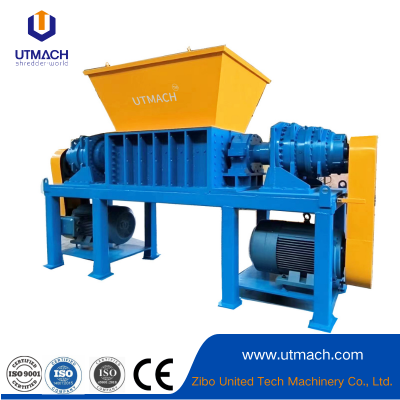
Two Shaft Shredders Machine Supplier 2 Shaft ShredderUS$ 30000 - 60000MOQ: 1 Piece
-
Two Rotor Shredding Machines Double Rotor ShredderUS$ 25000 - 50000MOQ: 1 Piece
-
Double Shaft Shredders Factory SupplierUS$ 25000 - 60000MOQ: 1 Piece
-
Waste Plastic Shredding Machine 2 Shaft ShredderUS$ 30000 - 60000MOQ: 1 Piece
-
Tire Shredding Machine Tyre Shredder FactoryUS$ 30000 - 60000MOQ: 1 Piece
-
e- Waste Double Shaft Shredders Hard Drive Shredding MachineUS$ 30000 - 60000MOQ: 1 Piece
-
Ragger Wire Shredding Machine SupplierUS$ 30000 - 60000MOQ: 1 Piece
-
Pulp Rope Shredding Machine, Pulpy Paper ShreddersUS$ 30000 - 60000MOQ: 1 Piece
-
Oil Sludge Shredder Machine Sludge Shredding MachineUS$ 30000 - 60000MOQ: 1 Piece
-
Metal Shredders Machine Double Shaft Shredders Heavy Duty ShredderUS$ 30000 - 60000MOQ: 1 Set