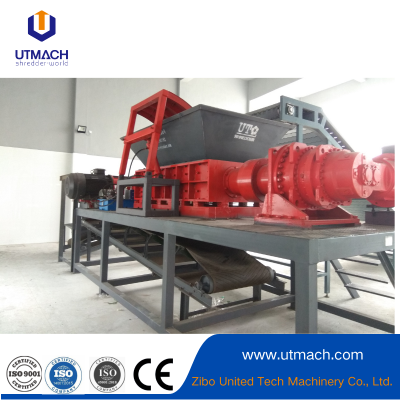
 Business License

Shredder Operation Guide (For Beginners)
A Complete Guide to Safe and Efficient Shredder Operation | Must-Read for Beginners
In scenarios such as industrial waste disposal and material recycling, shredders have become indispensable core equipment due to their high torque and large processing capacity. Whether crushing plastics, wood, ores, or other materials, or handling daily small-scale waste, operating a shredder correctly not only improves work efficiency but also prevents safety accidents and extends the equipment’s service life. Many beginners frequently encounter equipment malfunctions or potential safety hazards due to improper operation. Today, we’ve compiled a comprehensive guide to shredder operation, covering everything from pre-startup preparation to post-shutdown maintenance, as well as troubleshooting common faults—even beginners can get started quickly!
I. Pre-Operation: Be Fully Prepared, Safety First
The core premise of shredder operation is “safety,” and pre-operation preparation is key to avoiding risks and ensuring the equipment starts normally. Never cut corners on this step!
1. Personnel Preparation: On-the-Job with Certification, Full Protection
Operators must receive professional training and pass assessments before taking up their posts. Unauthorized or non-designated personnel are strictly prohibited from operating the equipment. Before starting work, operators must be in a good mental state; operation is strictly forbidden if they are drunk, fatigued, or ill. Additionally, personal protective equipment must be worn correctly: a safety helmet, protective goggles, a dust mask (essential when handling dusty materials), wear-resistant gloves, and safety shoes are all mandatory. Those with long hair must tie it back under their helmet, and wearing necklaces, bracelets, or other accessories that could get caught in the equipment is prohibited.
2. Environment Inspection: Clear Debris, Ensure Unobstructed Access
First, clear debris and flammable/explosive items from the operation area to ensure the work path is unobstructed and lighting is sufficient. Fire-fighting equipment (such as fire extinguishers) should be in good working order and easily accessible. At the same time, check that the equipment is placed stably to avoid shaking during operation, which could affect safety and crushing performance.
3. Equipment Inspection: Check Thoroughly, Eliminate Hidden Dangers
This is the most critical step before startup. Inspect each part of the equipment one by one and confirm there are no abnormalities before turning it on:
Fastener Inspection: Check that bolts and nuts at connection points (e.g., feed inlet, crushing chamber, motor base) are tight and free from loosening or loss;
Lubrication System Inspection: Check the oil level and quality of lubricating oil (or grease) at lubrication points such as bearing blocks and reducers to ensure unobstructed oil flow and no leakage. Add or replace lubricating oil as needed;
Crushing Element Inspection: Open the crushing chamber inspection door (if available) to check that crushing components (e.g., blades, hammer plates) are intact, free from cracks, excessive wear, or loosening, and that blade edges are sharp. Adjust, grind, or replace them if necessary;
Safety Device Inspection: Confirm that safety guards, protective covers, emergency stop buttons, and interlock devices are intact, securely installed, and functional. Safety warning signs at the feed and discharge inlets should be clearly visible;
Control System Inspection: Check that buttons, indicators, and meters on the control panel are working normally, wiring is secure (no damage or aging), the power supply voltage matches the equipment’s rated voltage, and grounding is proper;
Material Inspection: Materials to be crushed must meet the equipment’s specified feed size, hardness, and type. Crushing flammable, explosive, corrosive materials, or materials containing hard debris (e.g., metal, stones) is strictly prohibited (unless the equipment is specially designed). Large materials must be pre-cut to meet feed requirements, and foreign objects in the materials should be removed.
II. During Operation: Standard Operation, Efficient Equipment Protection
After starting the machine, standardized operating procedures not only improve crushing efficiency but also reduce equipment wear and prevent sudden failures. Remember the three principles: “stable, uniform, and frequent observation.”
1. Startup and Trial Operation: Proceed Step-by-Step, Confirm Normal Operation
Startup must follow the correct sequence: first, turn on the equipment’s main power switch, issue a startup warning (e.g., audible/visual alarm, verbal reminder to nearby personnel), then start downstream conveying or dust removal equipment (per the equipment manual), and finally start the shredder main unit. Do not feed materials immediately after startup; run the machine idly for 1–3 minutes (10–20 minutes for the first startup). Observe the equipment’s operation: listen for uniform running sounds from the motor and equipment (no abnormal impacts or squeals); check for obvious vibration and smooth operation of rotating parts; feel for abnormal overheating at bearing blocks or other components. Only start feeding after confirming everything is normal.
Note: For the first startup, check that the main shaft rotation direction matches the arrow on the housing. If the direction is incorrect, adjust the power wiring before restarting.
2. Feeding Operation: Feed Uniformly, Prohibit Violations
Feed materials uniformly and continuously to avoid overloading or jamming the equipment with excessive, forceful feeding. This also ensures consistent crushing results. Use dedicated feeding tools for assistance—never push materials into the feed inlet with hands or feet. If manual assistance is needed, use a push rod or similar tool to keep hands away from the danger zone. Operators must stay focused, not leave their posts without permission or switch positions, and closely monitor the feed inlet to prevent hard debris from entering the crushing chamber and damaging blades or equipment.
3. Operation Monitoring: Check Frequently, Respond Promptly
During operation, continuously monitor the equipment’s status: check if the crushed material particle size meets requirements. If there is a deviation, stop the machine to adjust crushing components or related parameters (e.g., screens—must be done when the machine is off); ensure the discharge outlet is unobstructed to prevent overload; if the equipment exhibits abnormal conditions (e.g., severe vibration, strange noises, overheating/smoking of bearings or motors), stop feeding immediately, press the emergency stop button, or cut off the main power. Never inspect or repair the equipment while it is running.
Special Reminder: During operation, the motor, bearing blocks, and cabinet surfaces may become hot. Never touch or hold these hot surfaces with your body to avoid burns. Non-operators must stay away from the work area and keep clear of dangerous points (e.g., feed and discharge inlets).
III. Post-Operation: Clean and Maintain, Extend Service Life
After operation, proper shutdown, cleaning, and maintenance can effectively extend the equipment’s service life and reduce future malfunctions. This step is often overlooked—don’t skip it!
1. Shutdown Operation: Standard and Orderly, Fully Empty
For normal shutdown: first stop feeding. Once the crushing chamber is nearly empty and the crushing sound stabilizes, press the “stop” button to shut down the main unit. If there is downstream conveying equipment, stop it after it has cleared all remaining materials, then turn off the main power switch.
Emergency shutdown is only for emergencies (e.g., severe abnormal noise, major jams, failed safety devices, or risk of operator entanglement). Immediately press the emergency stop button or cut off the main power. After identifying and resolving the issue, restart the equipment per the startup procedure.
2. Cleaning Work: Clean Thoroughly, Remove Residues
After shutdown, thoroughly clean residual materials from the crushing chamber—especially corrosive or deliquescent materials—to prevent rust or jamming during the next startup. Clean dust and debris from the feed inlet, discharge outlet, and equipment surface, and tidy up scattered materials and garbage in the work area to keep the environment clean. Always confirm the equipment has fully stopped and the power is cut off before cleaning—never clean a running or partially stopped machine.
3. Maintenance: Inspect Regularly, Maintain Timely
Develop a daily maintenance routine, focusing on these key points:
Regularly inspect crushing elements: Check blades, hammer plates, etc., for wear (based on usage frequency) and grind or replace them promptly (always cut off power before replacement);
Lubrication maintenance: Add or replace lubricating oil regularly (per the equipment manual—typically every 300 hours) and check oil cleanliness;
Fastener inspection: Regularly check bolts and nuts at all connection points and tighten loose components promptly;
Other maintenance: Clean the equipment’s ventilation cover and filter to ensure good airflow; protect the equipment from moisture and water to prevent internal rust; regularly inspect sensors and wire connectors, replacing or tightening them if damaged or loose.
IV. Common Fault Quick Check: Respond Quickly, Minimize Downtime
Even with standardized operation, equipment may experience common faults. Mastering these troubleshooting methods can resolve issues quickly and reduce downtime (Note: For complex faults, contact professional maintenance personnel—do not disassemble the equipment without authorization):
Fault Phenomenon | Common Causes | Handling Methods |
|---|---|---|
Equipment does not work | Abnormal power voltage, wiring disconnection, emergency stop button engaged, thermal relay overload trip, etc. | Check the power supply, repair disconnected wiring, release the emergency stop button, reset the thermal relay, and replace the fuse if necessary. |
Excessive tool wear | Inappropriate tool material, excessive hard objects in materials, materials unsuitable for the equipment | Replace the tool, install auxiliary equipment to remove hard objects, and stop processing unsuitable materials. |
Abnormal noise during operation | Metal accidentally fed into the inlet, damaged bearings, moving blade contacting the fixed blade plate, loose components | Stop the machine to remove metal, replace damaged bearings, adjust the gap between the moving and fixed blades, and tighten loose components. |
Frequent alarms/shutdowns | Low alarm parameter settings, excessive feeding speed, excessive hard objects in materials | Adjust parameters per the manual, reduce feeding speed, and remove hard objects from materials. |
Material jamming | Excessive feeding, overly hard materials, or foreign objects | Stop the machine and cut off power, hang a warning sign, manually clear jammed materials, and reduce the single feeding amount afterward. |
V. Core Taboos: These Operations Are Strictly Forbidden!
Never insert hands, tools, or body parts into dangerous areas (e.g., feed inlet, crushing chamber)—whether the equipment is running or not;
Never crush flammable, explosive, corrosive, toxic, or harmful materials (unless the equipment is specially designed), and never feed hard debris such as metal or stones;
Never arbitrarily increase the equipment speed, adjust safety protection parameters, or remove safety guards;
Never clean, inspect, or adjust the equipment while it is running. For maintenance, always follow the principle: “Stop the machine → Cut off power → Hang a warning sign → Perform maintenance”;
Never allow minors or untrained personnel to operate the equipment, and operators shall not leave their posts without permission.
In conclusion, the safe and efficient operation of a shredder relies on standardized operation and daily maintenance. Whether you’re a beginner or an experienced operator, always remember the principles: “Safety first, standard operation, regular maintenance.” Protect your own safety and take good care of the equipment. We hope this guide helps you avoid operational mistakes, allowing your shredder to fully fulfill its role and support efficient production and green recycling!
Recently Posted
-
Solid Waste & Shredders: A Green Partnership Made for Each Other
March 18, 2026Solid Waste and Shredders: A Perfect Partnership for a Greener FutureWhen we think of solid waste, the first images that come to m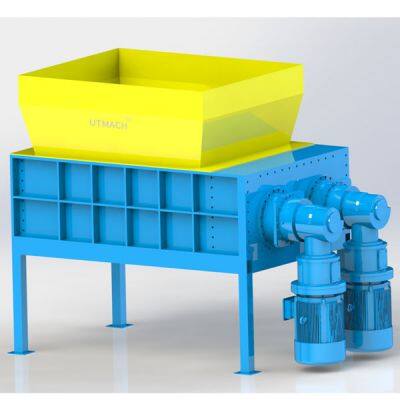 Read More
 -
Dual-Shaft Shredder: Knife Shaft Advantages
March 12, 2026Core Advantage Analysis of Dual-Shaft Shredders: Knife Shaft – The Dual Pillar of High Power and Stable PerformanceIn the fields o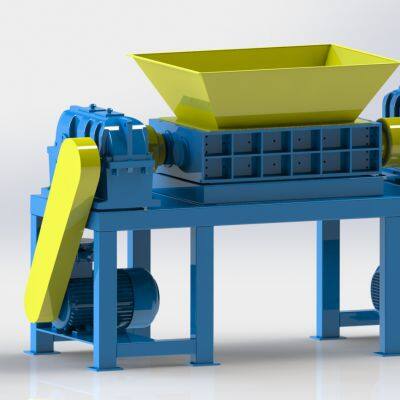 Read More
 -
Start the New Year of the Horse with Full Steam! Shredders Empower Efficiently to Unlock a New Journ
February 27, 2026The spring breeze initiates a new order, and the horse neighs for a new journey! With the lingering warmth of the Spring Festival Read More
 -
Understand Shredders, Unlock New Environmental Insights
February 11, 2026The Misunderstood Shredder: More Than Just Shredding Paper, It Hides Big Secrets of Environmental Protection and EfficiencyWhen it Read More

Contact Us
Recommended Products
-
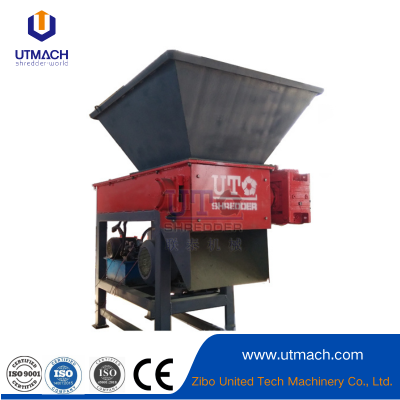
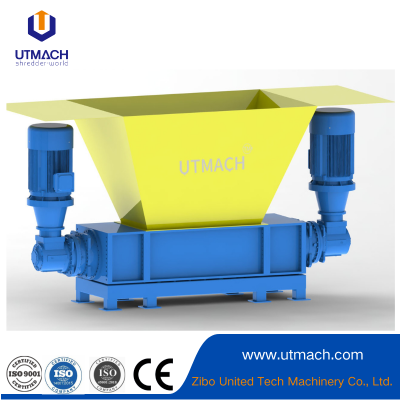
 1 Rotor Shredding Machine SupplierUS$ 50000 - 80000MOQ: 1 Set
 -
One Shaft Shredding MachinesUS$ 50000 - 80000MOQ: 1 Set
-
One Shaft Shredding Machines for Waste Material Size Reduction Recycling MachineUS$ 10000 - 30000MOQ: 1 Set
-
Single Shaft Shredding Machine Recycling MachineUS$ 8000 - 10000MOQ: 1 Set
-
Single Shaft Shredder One Rotor Shredding MachineUS$ 40000 - 60000MOQ: 1 Piece
-
P32130K P Series Wood Pallet ShredderNegotiableMOQ: 1 Set
-
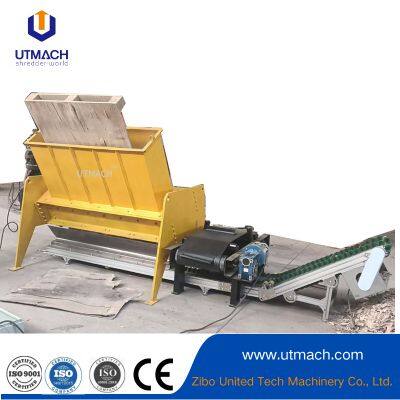
P32130K P Series Wood Pallet Shredder With Conveyor Magnetic SeparatorNegotiableMOQ: 1 Set
-
P32130 P Series Wood Pallet Shredder Pallet Crusher MachineNegotiableMOQ: 1 Set
-
Popular P32130K P Series Wood Pallet Shredder UTMACHNegotiableMOQ: 1 Set
-
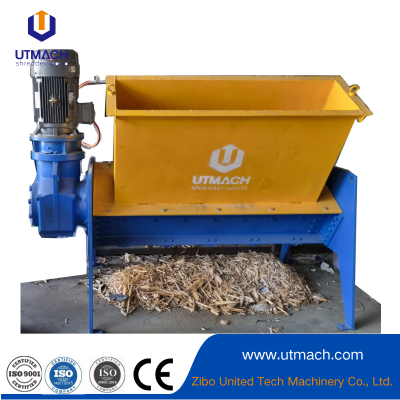
Double Shaft Shredders Heavy Duty Shredding MachinesUS$ 30000 - 60000MOQ: 1 Piece
-
Two Shaft Shredders Machine Supplier 2 Shaft ShredderUS$ 30000 - 60000MOQ: 1 Piece
-
Two Rotor Shredding Machines Double Rotor ShredderUS$ 25000 - 50000MOQ: 1 Piece
-
Double Shaft Shredders Factory SupplierUS$ 25000 - 60000MOQ: 1 Piece
-
Waste Plastic Shredding Machine 2 Shaft ShredderUS$ 30000 - 60000MOQ: 1 Piece
-
Tire Shredding Machine Tyre Shredder FactoryUS$ 30000 - 60000MOQ: 1 Piece
-
e- Waste Double Shaft Shredders Hard Drive Shredding MachineUS$ 30000 - 60000MOQ: 1 Piece
-
Ragger Wire Shredding Machine SupplierUS$ 30000 - 60000MOQ: 1 Piece
-
Pulp Rope Shredding Machine, Pulpy Paper ShreddersUS$ 30000 - 60000MOQ: 1 Piece
-
Oil Sludge Shredder Machine Sludge Shredding MachineUS$ 30000 - 60000MOQ: 1 Piece
-
Metal Shredders Machine Double Shaft Shredders Heavy Duty ShredderUS$ 30000 - 60000MOQ: 1 Set