 Business License

Efficient Baling Solution: Double-Chamber Vertical Baler
What Are the Advantages of Double-Chamber Vertical Balers? A Full Breakdown
In waste paper recycling, plastic processing, textile scrap handling, household waste compression and other related industries, balers have long been essential equipment. Compared with manual bundling and single-chamber vertical balers, double-chamber vertical balers break through the efficiency bottlenecks of traditional baling with their unique dual-compartment design. They combine practicality, cost-effectiveness and durability, making them the top choice for medium-to-high production lines.
Many factory owners hesitate between single-chamber and double-chamber models, thinking the latter comes with a higher upfront cost and is unnecessary. But in practice, the payback speed and long-term profits of double-chamber vertical balers far outweigh standard single-chamber machines. Today, we’ll dive into the core strengths of double-chamber vertical balers, helping you choose the right equipment to cut costs and boost productivity.
1. Alternating Operation Without Downtime, Doubling Efficiency
Standard single-chamber vertical balers have one unavoidable flaw: baling, ejecting bales and feeding materials must be done in separate steps. After compressing a bale, the machine has to stop, the door opens, the bale is pushed out, and new materials can only be loaded afterward. This waiting time adds up quickly, leading to material buildup, idle labor and limited daily output, especially when handling large volumes of scrap.
Double-chamber vertical balers feature a dual independent alternating working design, with two separate chambers that run independently and simultaneously. While one chamber is compressing or ejecting a bale, the other can be loaded with materials and standing by, creating nearly zero idle time and uninterrupted operation. Overall baling efficiency increases by over 50% compared to single-chamber models, drastically raising daily output. This design easily handles high-volume, high-intensity workloads, eliminating worries about scrap backlogs and delayed shipments.
2. Cut Labor Costs, Operated by a Single Person
Traditional baling often requires dedicated staff for loading, machine monitoring and bale handling, keeping labor costs high. Additionally, inconsistent manual work leads to unstable production rates. Double-chamber vertical balers streamline workflows and greatly simplify manual operation.
The dual alternating design means workers don’t have to stay by the machine to repeatedly start, stop and wait for bale ejection. They only need to focus on loading materials, and one person can manage the entire process with no extra labor needed. The machine comes equipped with a user-friendly hydraulic control system, easy for new operators to master without full-time supervision. Over time, the savings on labor expenses add up to a significant sum, making this model perfect for small-to-medium processing plants and recycling centers looking to control operating costs.
3. High Compression Density for Lower Storage and Shipping Costs
Loose materials—whether waste paper, plastic, textiles, straw or aluminum cans—take up massive space, requiring frequent shipments and high freight fees, and messy piles often collapse. Double-chamber vertical balers are fitted with high-power hydraulic systems that deliver strong, even pressure, tightly compressing loose materials with a maximum compression ratio of 5:1. That means 5 cubic meters of loose scrap shrinks down to just 1 cubic meter after baling.
Finished bales are compact, uniform, sturdy and resistant to breaking, stacking securely with minimal space. Storage space utilization improves several times over. For shipping, dense bales maximize truck loading capacity, reducing the number of trips and cutting logistics costs directly. This dual benefit of saving space and shipping fees creates substantial hidden savings.
4. Compact Footprint, Fits All Workspaces
Many processing plants and recycling centers operate in limited spaces, unable to accommodate large horizontal balers, while single-chamber balers don’t meet productivity needs. Double-chamber vertical balers retain the perks of vertical machines: a compact body and vertical compression, resulting in a small footprint. There’s no need for factory expansion or complex foundation construction—simply connect to power and start operation, with flexible and hassle-free installation.
This baler fits easily in small recycling centers, workshop corners and medium-sized factories, without taking up valuable production space. It strikes the perfect balance between space efficiency and baling productivity, solving the conflict of limited space and high output demands.
5. Stable, Durable Performance and Low Failure Rate
High-quality double-chamber vertical balers are built with thickened steel plates and wear-resistant hydraulic components, featuring a rugged structure and strong compression resistance. The machine resists deformation and damage even under long hours of heavy use. The independent dual-chamber design also means if one chamber needs brief maintenance or servicing, the other can keep running normally, avoiding production downtime and losses.
Additionally, the machine uses a low-noise hydraulic circuit, running smoothly with minimal vibration and noise, improving workshop working conditions and extending the machine’s service life. Later maintenance is simple and low-cost, making it far more cost-effective than standard models for long-term use.
6. Wide Applicability, Multi-Purpose Use
Double-chamber vertical balers are highly versatile and compatible with a wide range of recyclable materials, including:
- Paper products: corrugated cardboard, newspapers, books, paper shells, paper boards and more
- Plastics: plastic bottles, plastic bags, plastic film, plastic scraps and more
- Textiles: waste clothing, fabrics, cotton, yarn, non-woven fabrics and more
- Other materials: aluminum cans, straw, hay, industrial scraps, household waste and more
A single machine handles multiple material types, eliminating the need to buy multiple separate balers. It’s ideal for recycling centers and processing plants handling diverse materials, delivering maximum value for your investment.
7. Quick Comparison: Single-Chamber vs. Double-Chamber Balers
A single-chamber vertical baler is sufficient for low-volume, occasional use. But for high daily output, mixed scrap materials, and goals to cut labor and shipping costs, a double-chamber vertical baler is the superior choice. While the upfront investment is slightly higher, the improved efficiency and reduced costs lead to a faster payback period and better long-term value.
Final Thoughts
In the waste handling industry, efficiency and cost control are the keys to competitiveness. Double-chamber vertical balers break efficiency limits with their dual-chamber design, combining high productivity, energy savings, labor reduction and space efficiency. They fully solve the common pain points of traditional baling: slow speed, clutter and high expenses.
Choosing the right baler doesn’t just streamline production—it also cuts operating costs and boosts profits. If you’re struggling with low output, high labor costs or expensive storage and shipping, a double-chamber vertical baler is the solution for efficient, hassle-free baling.
Recently Posted
-
Solid Waste & Shredders: A Green Partnership Made for Each Other
March 18, 2026Solid Waste and Shredders: A Perfect Partnership for a Greener FutureWhen we think of solid waste, the first images that come to m Read More
 -
Dual-Shaft Shredder: Knife Shaft Advantages
March 12, 2026Core Advantage Analysis of Dual-Shaft Shredders: Knife Shaft – The Dual Pillar of High Power and Stable PerformanceIn the fields o Read More
 -
Shredder Operation Guide (For Beginners)
March 4, 2026A Complete Guide to Safe and Efficient Shredder Operation | Must-Read for BeginnersIn scenarios such as industrial waste disposal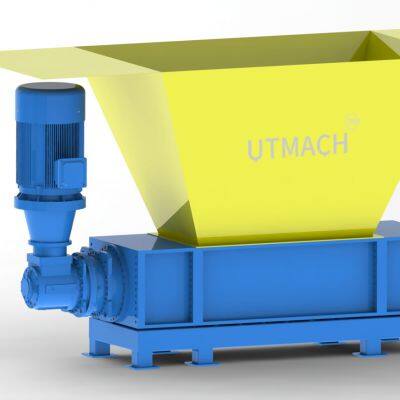 Read More
 -
Start the New Year of the Horse with Full Steam! Shredders Empower Efficiently to Unlock a New Journ
February 27, 2026The spring breeze initiates a new order, and the horse neighs for a new journey! With the lingering warmth of the Spring Festival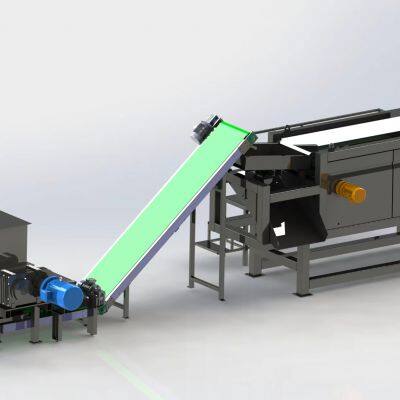 Read More

Contact Us
Recommended Products
-
 1 Rotor Shredding Machine SupplierUS$ 50000 - 80000MOQ: 1 Set
 -
One Shaft Shredding MachinesUS$ 50000 - 80000MOQ: 1 Set
-
One Shaft Shredding Machines for Waste Material Size Reduction Recycling MachineUS$ 10000 - 30000MOQ: 1 Set
-
Single Shaft Shredding Machine Recycling MachineUS$ 8000 - 10000MOQ: 1 Set
-
Single Shaft Shredder One Rotor Shredding MachineUS$ 40000 - 60000MOQ: 1 Piece
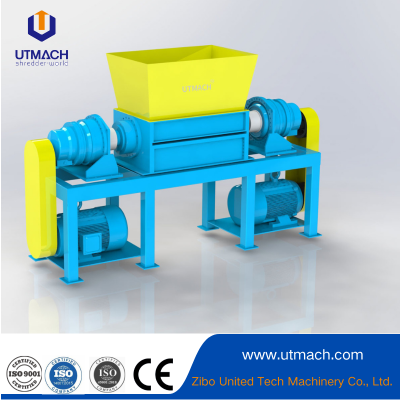
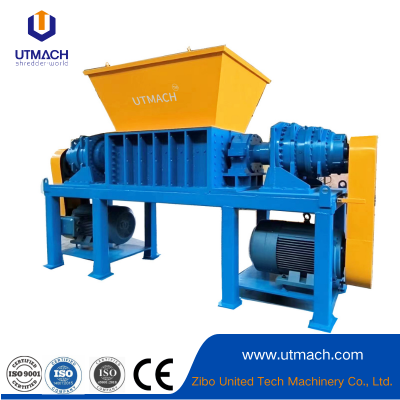
-
P32130K P Series Wood Pallet ShredderNegotiableMOQ: 1 Set
-
P32130K P Series Wood Pallet Shredder With Conveyor Magnetic SeparatorNegotiableMOQ: 1 Set
-
P32130 P Series Wood Pallet Shredder Pallet Crusher MachineNegotiableMOQ: 1 Set
-
Popular P32130K P Series Wood Pallet Shredder UTMACHNegotiableMOQ: 1 Set
-
Double Shaft Shredders Heavy Duty Shredding MachinesUS$ 30000 - 60000MOQ: 1 Piece
-
Two Shaft Shredders Machine Supplier 2 Shaft ShredderUS$ 30000 - 60000MOQ: 1 Piece
-
Two Rotor Shredding Machines Double Rotor ShredderUS$ 25000 - 50000MOQ: 1 Piece
-
Double Shaft Shredders Factory SupplierUS$ 25000 - 60000MOQ: 1 Piece
-
Waste Plastic Shredding Machine 2 Shaft ShredderUS$ 30000 - 60000MOQ: 1 Piece
-
Tire Shredding Machine Tyre Shredder FactoryUS$ 30000 - 60000MOQ: 1 Piece
-
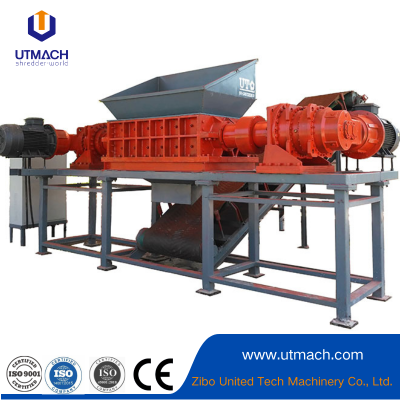
e- Waste Double Shaft Shredders Hard Drive Shredding MachineUS$ 30000 - 60000MOQ: 1 Piece
-
Ragger Wire Shredding Machine SupplierUS$ 30000 - 60000MOQ: 1 Piece
-
Pulp Rope Shredding Machine, Pulpy Paper ShreddersUS$ 30000 - 60000MOQ: 1 Piece
-
Oil Sludge Shredder Machine Sludge Shredding MachineUS$ 30000 - 60000MOQ: 1 Piece
-
Metal Shredders Machine Double Shaft Shredders Heavy Duty ShredderUS$ 30000 - 60000MOQ: 1 Set