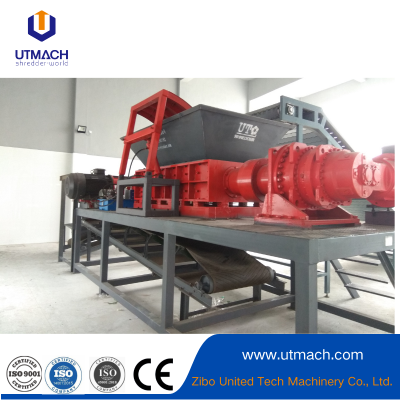
 Business License

Shredder Selection & Application Guide
Shredder Selection & Application Guide: Solving Industry Pain Points
With resource recycling a top priority, shredders are critical to reducing costs, boosting efficiency, and ensuring compliance. However, with countless models, choosing the right one can be challenging. This guide breaks down the essentials.
I. Core Shredder Classifications: Choose the Right Model
1. By Shaft Structure (Primary Selection Criterion)
Single-shaft: Ideal for soft materials (plastic film, PET, paper, fiber). Simple, cost-effective, and non-entangling. Great for small/medium plastic recycling or waste disposal.
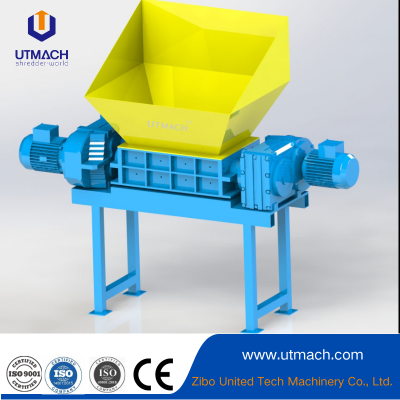
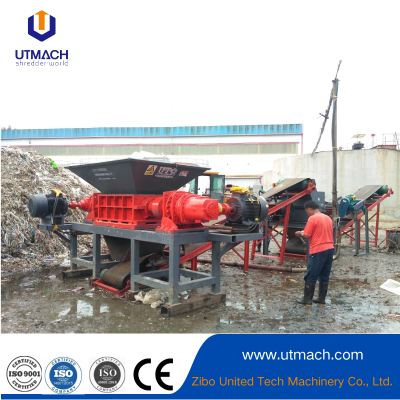
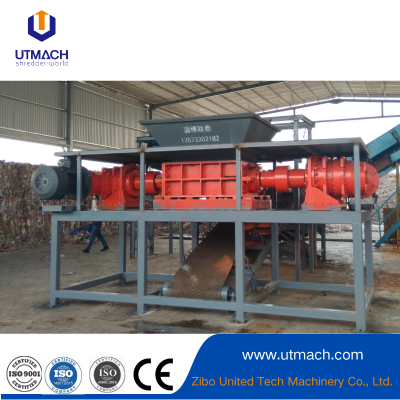
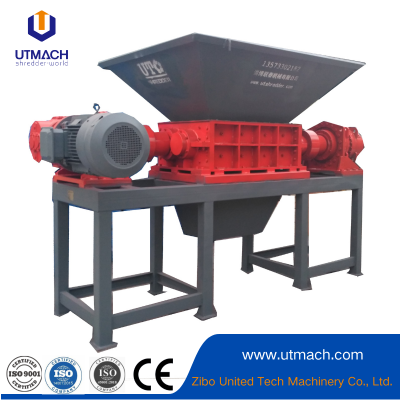
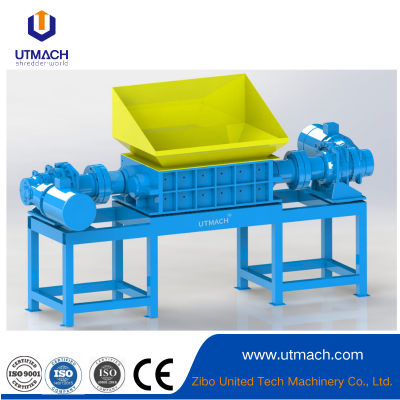
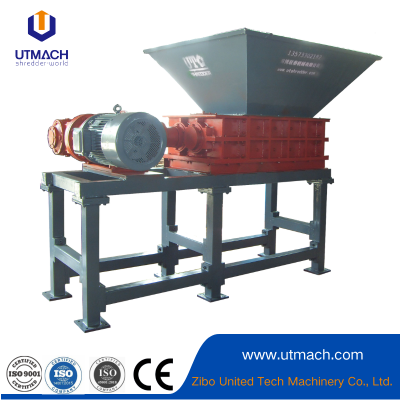
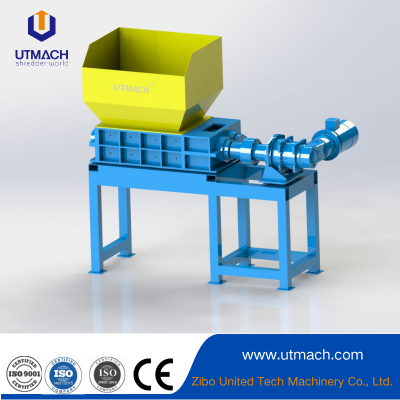
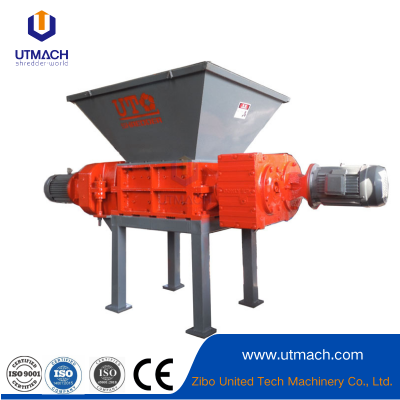
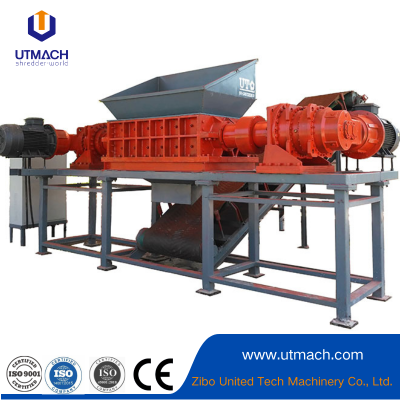
Double-shaft (Most Popular):** Dual counter-rotating shafts for powerful shearing and stability. Suited for hard/composite materials (metal, tires, wood, e-waste). Efficiency up to 20 tons/hour, perfect for medium/large enterprises.
Four-shaft: Multi-stage crushing for precision processing. Used for hazardous waste, e-waste (circuit boards), and high-purity separation. Higher cost, for high-end needs.
2. By Material Type (Precision Matching)
Metal Shredders:** Feature wear-resistant alloy steel knives for scrap steel, cans, and car bodies. Knife life up to 18 months.
Plastic Shredders:** Anti-entanglement design for bottles, pipes, and film. Output suitable for direct reprocessing.
Tire Shredders:** High-torque drive + wire separation to break down tires and recover rubber and steel wires.
II. Core Advantages: 3 Key Values
1. Cost & Efficiency Savings: Reduces material volume by 30-80%, cutting transport costs by 20-30%. High automation lowers labor. Alloy steel knives extend lifespan, reducing replacement costs by up to 35%. A quality shredder often pays for itself in 1-2 years.
2. Broad Adaptability: "One machine for multiple uses" handles various materials (metal, wood, tires). Customizable configurations adapt to special materials and plant layouts.
3. Environmental Compliance: Standardizes waste processing, enabling reuse (wood → biomass, plastic → recycled pellets, metal → smelting). Ensures regulatory adherence and green operations.
III. Purchasing Guide: 4 Critical Dimensions
1. Core Components:Prioritize high-strength alloy steel knives (wear/impact resistant) and high-torque, energy-saving motors. Modular knife designs simplify maintenance.
2. Brand & Reputation:Choose established brands with proven track records, user reviews, and strong after-sales. Look for high repurchase rates and technical expertise (patents).
3. After-sales Service: Ensure a responsive support system (e.g., 24/7 problem solving, on-site training, regular inspections) to minimize downtime.
4. Cost-Performance: Avoid overly cheap models (often poor quality, high maintenance). Instead, select equipment that matches your production scale and material needs to balance upfront cost and long-term value.
Conclusion
A suitable shredder is a core investment. By understanding your materials, evaluating equipment specs, and choosing a reliable partner, you can transform "waste" into value and thrive in the circular economy.
Recently Posted
-
The Gentle Redemption of Steel Giants: The Cycle Code in Shredders
April 7, 2026Shredder Selection & Application Guide As resource recycling becomes essential, shredders are key to cost reduction, effi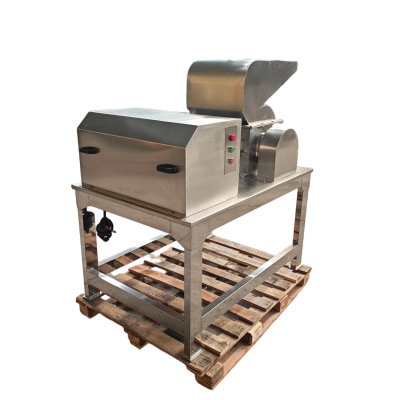 Read More
 -
Turn End-of-Life Car Shells Into Valuable Resources
April 7, 2026UTMACH Automobile Shell Recycling LineAmid global focus on circular economy and sustainability, end-of-life vehicle recycling is c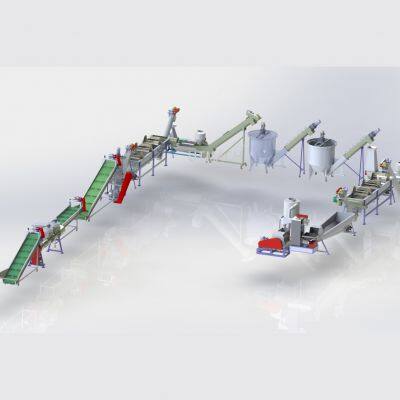 Read More
 -
Shredders: A Powerful Boost for Green Circulation
April 7, 2026Shredders: The Unsung Hero in Global Environmental Protection In the global drive for environmental sustainability and a circ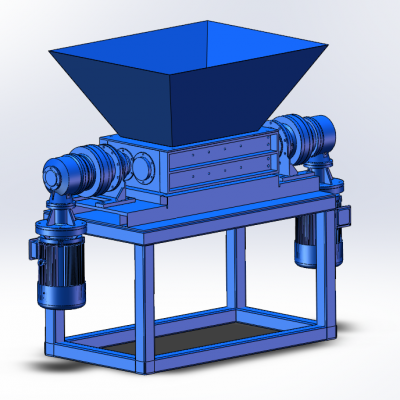 Read More
 -
Understand Shredders, Unlock New Environmental Insights
April 7, 2026The Misunderstood Shredder: Beyond Paper Shredding.Most people associate shredders only with office paper shredders, but they are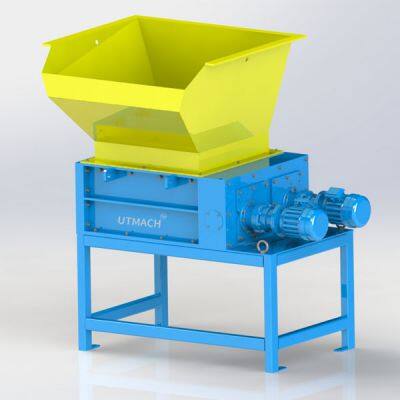 Read More

Contact Us
Recommended Products
-
 1 Rotor Shredding Machine SupplierUS$ 50000 - 80000MOQ: 1 Set
 -
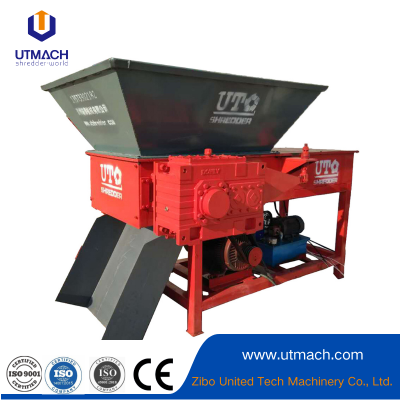
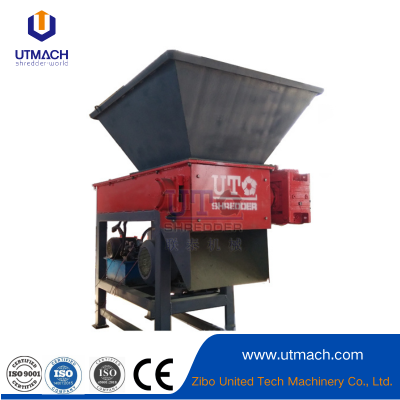
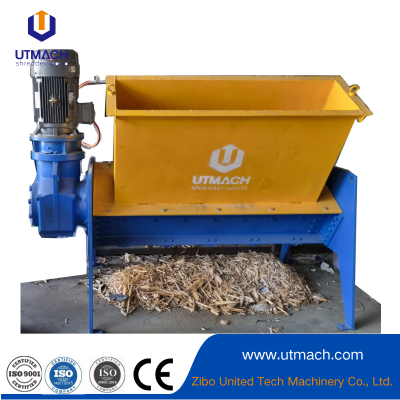
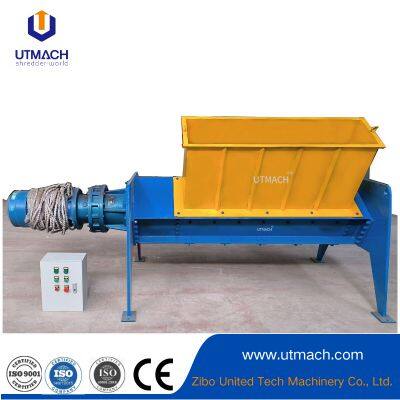
One Shaft Shredding MachinesUS$ 50000 - 80000MOQ: 1 Set
-
One Shaft Shredding Machines for Waste Material Size Reduction Recycling MachineUS$ 10000 - 30000MOQ: 1 Set
-
Single Shaft Shredding Machine Recycling MachineUS$ 8000 - 10000MOQ: 1 Set
-
Single Shaft Shredder One Rotor Shredding MachineUS$ 40000 - 60000MOQ: 1 Piece
-
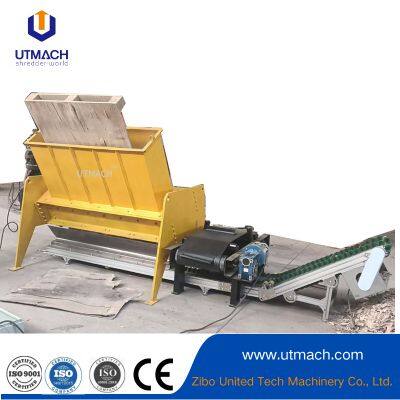
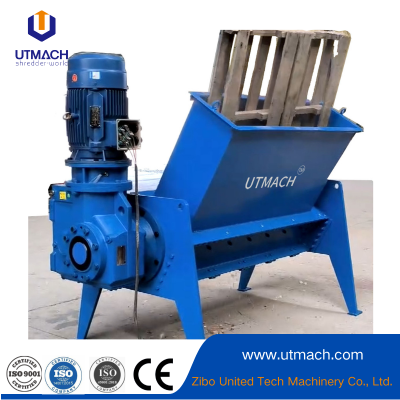
P32130K P Series Wood Pallet ShredderNegotiableMOQ: 1 Set
-
P32130K P Series Wood Pallet Shredder With Conveyor Magnetic SeparatorNegotiableMOQ: 1 Set
-
P32130 P Series Wood Pallet Shredder Pallet Crusher MachineNegotiableMOQ: 1 Set
-
Popular P32130K P Series Wood Pallet Shredder UTMACHNegotiableMOQ: 1 Set
-
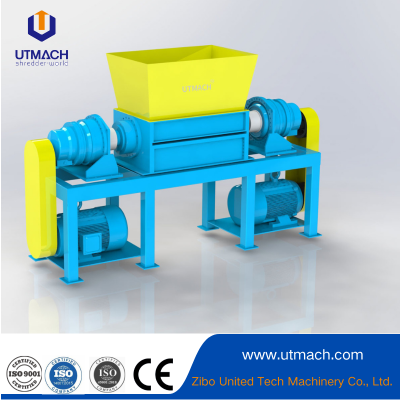
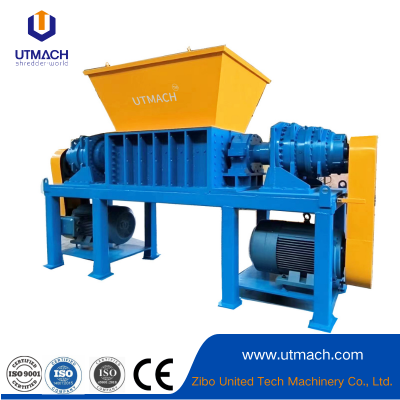
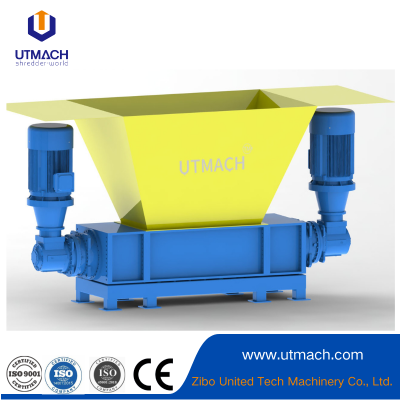
Double Shaft Shredders Heavy Duty Shredding MachinesUS$ 30000 - 60000MOQ: 1 Piece
-
Two Shaft Shredders Machine Supplier 2 Shaft ShredderUS$ 30000 - 60000MOQ: 1 Piece
-
Two Rotor Shredding Machines Double Rotor ShredderUS$ 25000 - 50000MOQ: 1 Piece
-
Double Shaft Shredders Factory SupplierUS$ 25000 - 60000MOQ: 1 Piece
-
Waste Plastic Shredding Machine 2 Shaft ShredderUS$ 30000 - 60000MOQ: 1 Piece
-
Tire Shredding Machine Tyre Shredder FactoryUS$ 30000 - 60000MOQ: 1 Piece
-
e- Waste Double Shaft Shredders Hard Drive Shredding MachineUS$ 30000 - 60000MOQ: 1 Piece
-
Ragger Wire Shredding Machine SupplierUS$ 30000 - 60000MOQ: 1 Piece
-
Pulp Rope Shredding Machine, Pulpy Paper ShreddersUS$ 30000 - 60000MOQ: 1 Piece
-
Oil Sludge Shredder Machine Sludge Shredding MachineUS$ 30000 - 60000MOQ: 1 Piece
-
Metal Shredders Machine Double Shaft Shredders Heavy Duty ShredderUS$ 30000 - 60000MOQ: 1 Set